


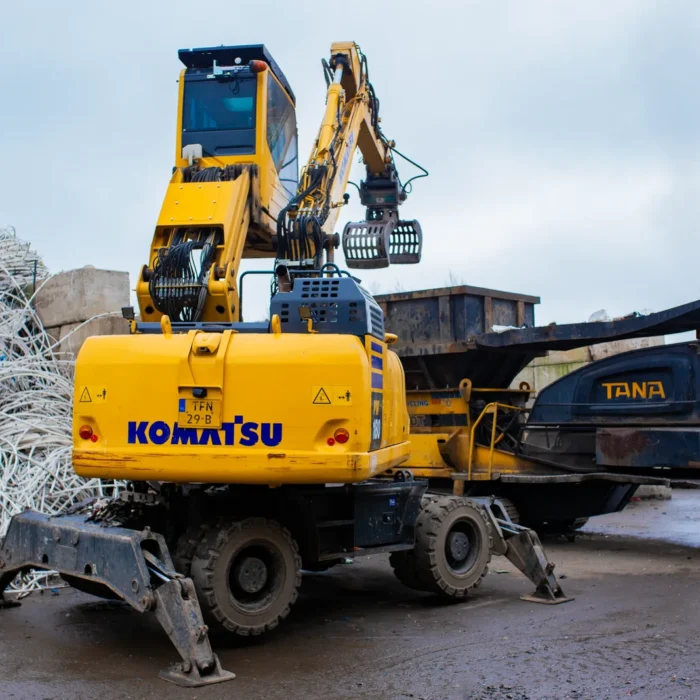
Recycle HDPE plastic with BVDER
HDPE, short for High-Density Polyethylene, is a widely used type of plastic known for its strength and durability. It is used in many commercial and industrial applications where a tough and reliable material is required.
At BVDER, suitable HDPE waste streams can be processed and converted into a reusable secondary raw material. The composition, quality, level of contamination and way the material is supplied all influence the possibilities for HDPE recycling.
What is HDPE?
HDPE stands for High-Density Polyethylene. It is a type of polyethylene with a relatively high density and is a strong, rigid thermoplastic polymer.
HDPE is valued for its toughness, durability and resistance to moisture and various chemicals. These properties make it suitable for products that need to withstand regular use and mechanical loads.
HDPE and LDPE are both types of polyethylene, but they have different densities and material properties. HDPE is generally more rigid and stronger, while LDPE is more flexible. These differences also determine which applications and recycling streams the materials are suitable for.
How does HDPE recycling work at BVDER?
The HDPE recycling process starts with assessing the material that is offered. BVDER looks at the type of plastic, its composition, quality, quantity and possible contamination.
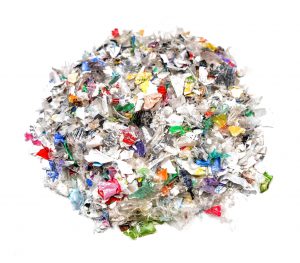
The material is then sorted to identify HDPE and separate it from other plastic types or unwanted materials. Plastics such as LDPE, PP and PS have different material properties and therefore need to be correctly identified during the sorting process. Removing contaminants and keeping the HDPE stream as clean and consistent as possible is important for the quality of the recycled material.
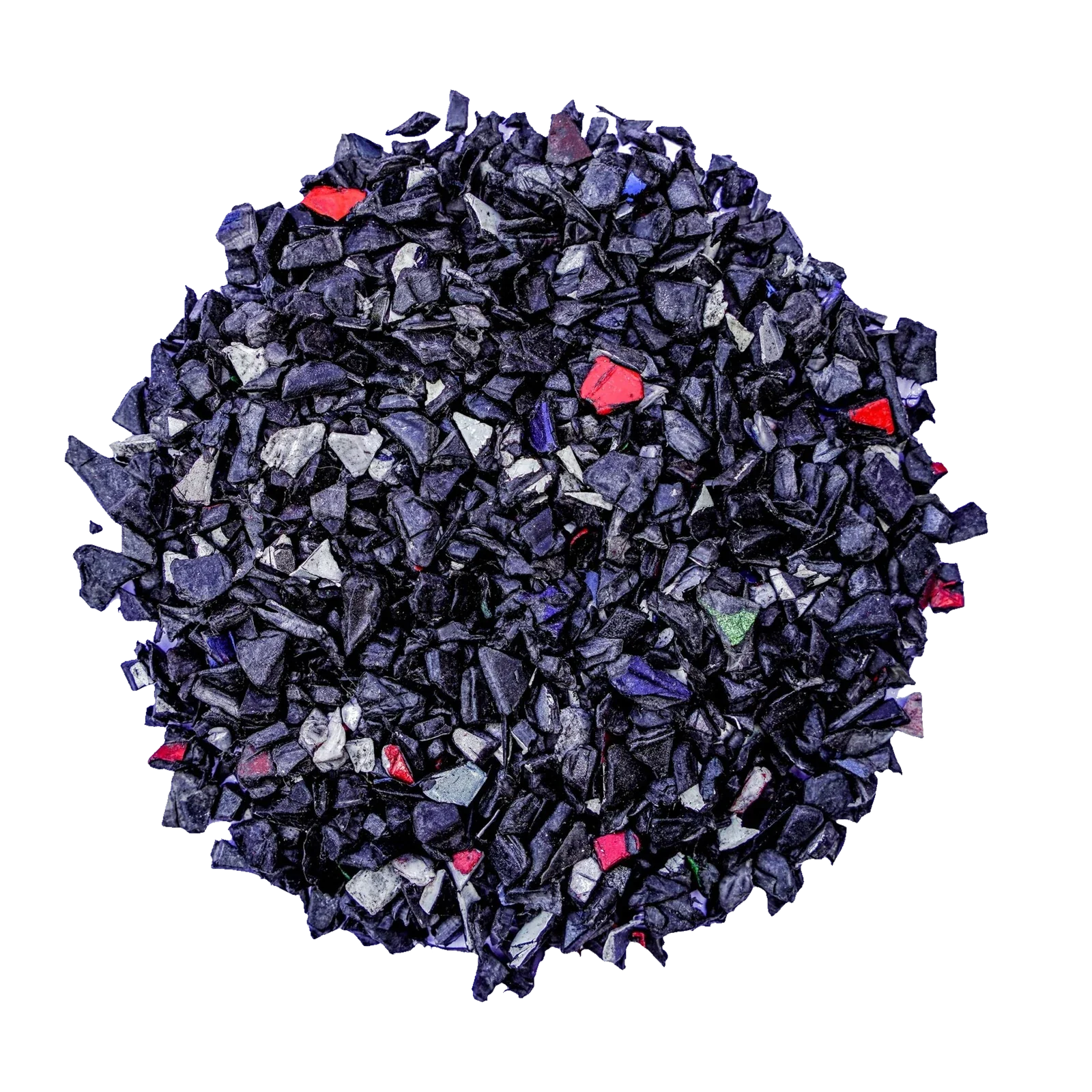
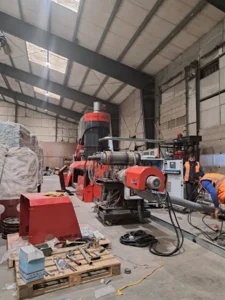
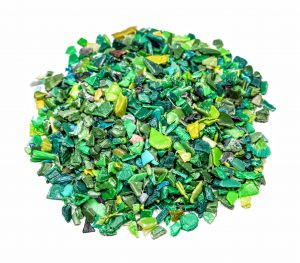
Suitable HDPE waste is then mechanically processed and prepared for reuse as a secondary raw material. The exact processing depends on the characteristics and quality of the material stream.
By recycling suitable HDPE waste, the material can be recovered and returned to the material cycle instead of being lost as waste.
How it works

What is HDPE used for?
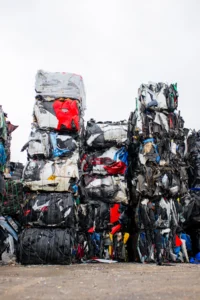
HDPE is widely used for durable plastic products in commercial and industrial applications. The material is particularly suitable for products where strength, rigidity and durability are important.
Examples of HDPE products and material streams processed by BVDER include:
- Plastic pallets
- Cement tubs
- Slides
- Wheelie bins
- Beverage crates
These products can become HDPE waste when they are discarded, replaced or are no longer suitable for their original application.
HDPE can also be used for other products such as bottles, storage containers and different types of packaging. These are general applications of HDPE and do not automatically form part of the HDPE waste streams processed by BVDER.
What HDPE waste can BVDER process?
BVDER processes selected HDPE waste streams from commercial and industrial applications. These include suitable materials from products such as:
- Plastic pallets
- Sandboxes
- Cement tubs
- Slides
- Wheelie bins
Whether a particular HDPE waste stream can be recycled depends on several factors, including:
- The composition of the material
- Material quality
- The level of contamination
- The available quantity
- The origin of the material
- The presence of other plastic types
- The way the material is collected, stored and delivered
Contaminated HDPE or material mixed with other plastics can affect the further processing and the quality of the recycled material. For this reason, BVDER assesses each material stream individually.
HDPE waste for recycling
Do you have HDPE waste from your company and want to know whether it can be recycled? BVDER can assess your HDPE plastic waste and determine the possibilities for further processing.
For an initial assessment, it is useful to provide information such as:
- The type of plastic
- The quantity available
- The origin of the material
- The composition of the waste stream
- Any contamination or other materials present
- How the material is currently collected and stored
- The way in which the material can be delivered
This information helps BVDER assess the recycling possibilities and determine how the HDPE can best be processed.
The aim is to recover suitable HDPE waste and turn it into a reusable secondary raw material.
Frequently asked questions about HDPE recycling
Below, you’ll find answers to some of our most frequently asked questions. Can’t find what you’re looking for? Feel free to get in touch! we’re always happy to help.
What does HDPE stand for?
HDPE stands for High-Density Polyethylene. It is a type of polyethylene with a relatively high density and is generally more rigid and strong than LDPE.
Is HDPE recyclable?
Yes, HDPE is recyclable. The recycling possibilities depend on factors such as the composition and quality of the material, contamination and whether the HDPE waste can be supplied as a suitable, separated material stream.
A clean and consistent HDPE waste stream makes sorting and further processing more reliable.
What is the difference between HDPE and LDPE?
HDPE and LDPE are both types of polyethylene, but they differ in density and material properties.
HDPE (High-Density Polyethylene) is generally more rigid, strong and tough. LDPE (Low-Density Polyethylene) is generally more flexible.
Because of these differences, HDPE and LDPE are used for different types of plastic products and need to be assessed accordingly for recycling.
What HDPE products can be recycled?
BVDER processes selected HDPE waste streams, including suitable material from:
- Plastic pallets
- Sandboxes
- Cement tubs
- Slides
- Wheelie bins
- Beverage crates
- Toys
Whether a particular product can be recycled depends on its composition, quality, contamination and the way the material stream is supplied.
What happens to recycled HDPE?
Suitable HDPE waste is sorted and mechanically processed so that it can be reused as a secondary raw material.
Recycled HDPE can then be used again as a raw material in the production of new plastic products. This allows suitable HDPE to be recovered and returned to the material cycle.
The exact form of the recycled material depends on the specific HDPE waste stream and the applicable processing at BVDER.