LDPE, short for Low-Density Polyethylene, is a widely used type of plastic known for its flexibility, toughness and durability. It is used in various applications, including agriculture and horticulture. Within these sectors, used LDPE drip irrigation hoses can become available as a plastic waste stream when irrigation systems are replaced or hoses reach the end of their service life.
At BVDER, we recycle suitable LDPE waste streams and process them into a reusable raw material. By collecting and processing LDPE separately, valuable plastic can be kept within the material cycle and given a new purpose.
What is LDPE?
LDPE stands for Low-Density Polyethylene. It is a type of polyethylene with a relatively low density and is classified as a thermoplastic.
LDPE is known for being flexible, tough and lightweight, while also having good impact resistance and water-resistant properties. These characteristics make it suitable for applications where flexibility and durability are important.
Another well-known type of polyethylene is HDPE, or High-Density Polyethylene. Compared with LDPE, HDPE has a higher density and is generally harder and more rigid, while LDPE is more flexible. The properties of LDPE also make it suitable for recycling, provided the material is properly collected and the quality of the plastic waste stream is suitable for processing.
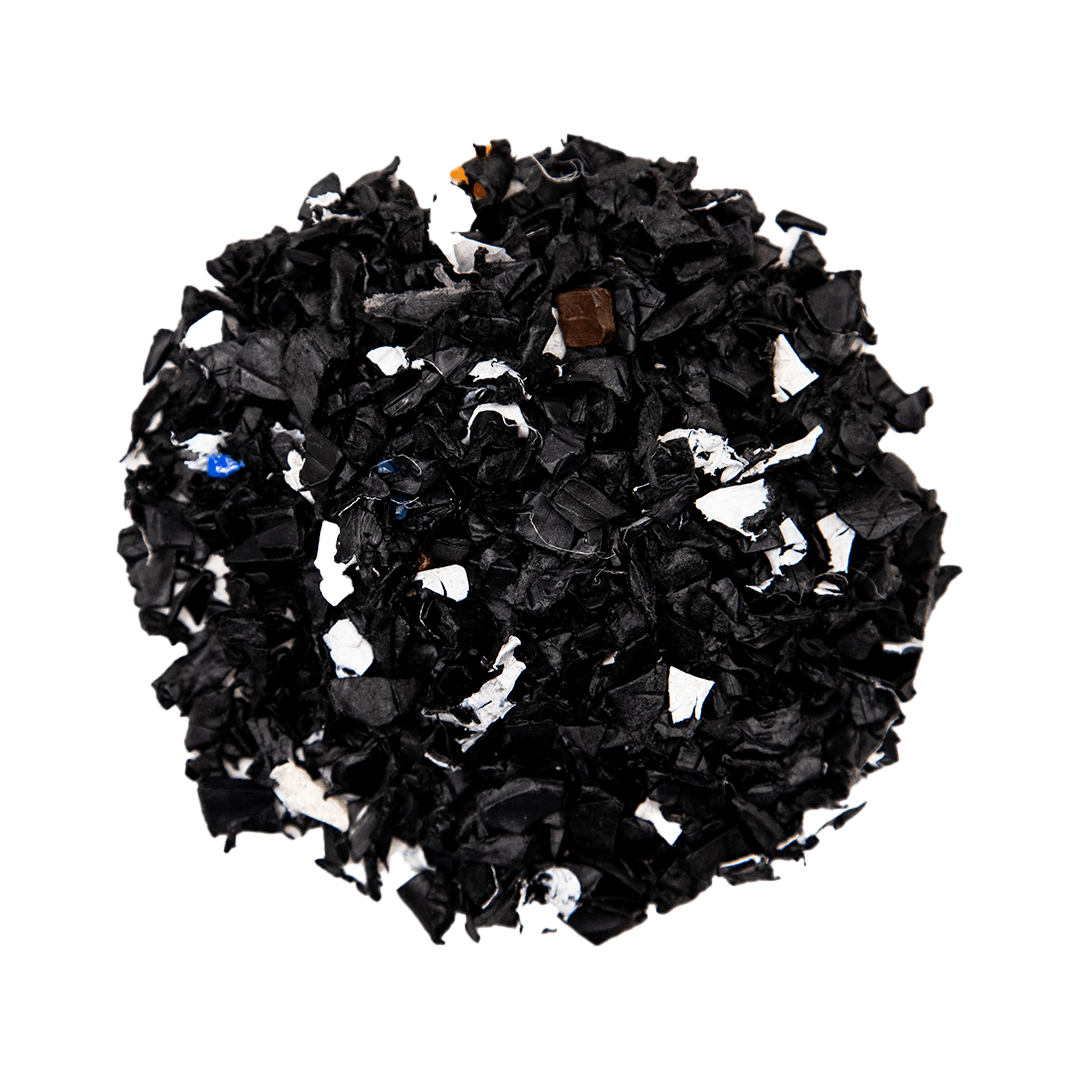
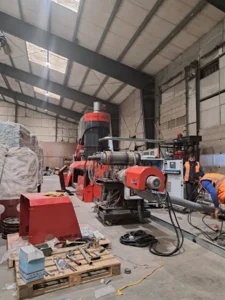
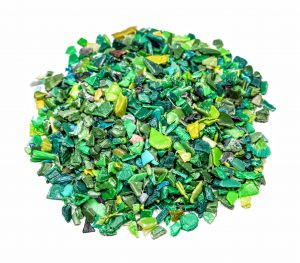
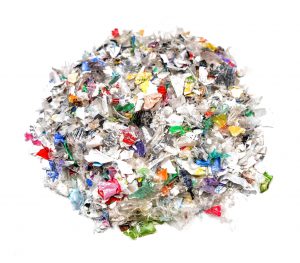
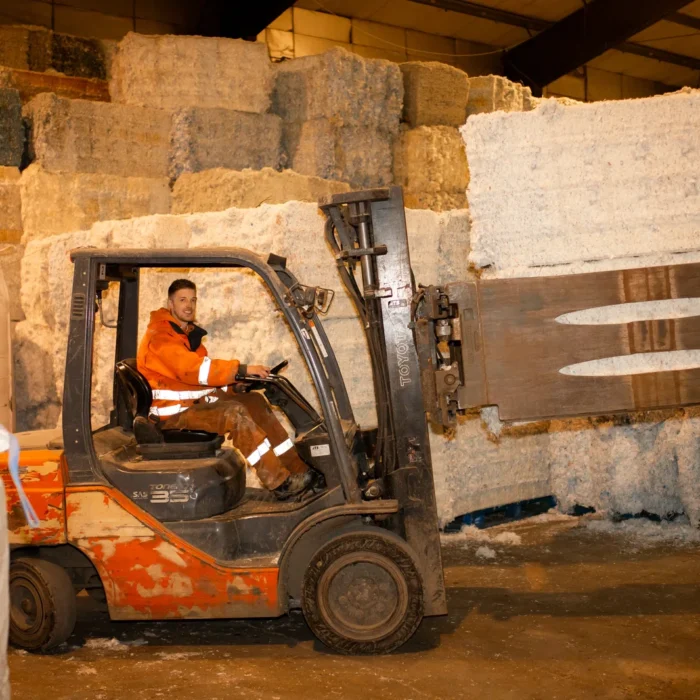
At BVDER, the recycling process starts with assessing the material. We look at the composition, quality and condition of the LDPE waste to determine whether it is suitable for recycling. The quality of the incoming material is important. Contamination, soil or other materials can affect sorting and further processing. It is therefore important to keep LDPE separate from other plastic types as much as possible. After processing, the LDPE becomes a reusable raw material that can be used again within the plastics industry. By recycling used LDPE, we help keep the material in the cycle and give a valuable plastic waste stream a second life.
How it works
1
Used plastics arrive
2
We break the material into smaller pieces
3
We clean it thoroughly
4
We separate the different material streams
5
We process it into fine regrind
6
The material is dried
7
Ready for a new life
What is LDPE used for?
LDPE is used in a wide range of applications where flexibility and durability are important. One example is drip irrigation, which is widely used in agriculture and horticulture. LDPE is used to produce drip irrigation hoses that form part of an irrigation system. These hoses distribute water directly to crops and plants and are used in different types of cultivation.
Once drip irrigation hoses are worn, damaged or no longer required, they can become a plastic waste stream. By collecting these hoses separately and sending them for recycling, the LDPE can be processed into a new raw material instead of being discarded as waste.
What LDPE waste can BVDER process?
At BVDER, we specifically focus on LDPE drip irrigation hoses from agricultural and horticultural applications.
Suitable material can come from, for example:
agricultural businesses
horticultural businesses
greenhouse operations
other companies using drip irrigation systems.
The quality and composition of the material are important when determining whether an LDPE waste stream can be recycled. The amount of contamination, the presence of other plastic types and the overall condition of the hoses can all influence the processing possibilities. We therefore assess each material stream individually before processing.
LDPE waste for recycling
Do you have used LDPE drip irrigation hoses available? BVDER is happy to assess the material and discuss the possibilities for recycling. To make a good assessment, it is helpful to provide information about:
the type of material
where the hoses come from
the available quantity
the composition of the material
the level of contamination
and how the material is currently collected and stored
Based on this information, we can determine the most suitable solution for collection, transport and recycling. As a specialist in plastic recycling, BVDER helps companies turn their LDPE waste into a reusable raw material.
Below, you’ll find answers to some of our most frequently asked questions. Can’t find what you’re looking for? Feel free to get in touch! we’re always happy to help.
What does LDPE stand for?
LDPE stands for Low-Density Polyethylene. It is a type of polyethylene with a relatively low density and is known for its flexibility, toughness and impact resistance.
Is LDPE recyclable?
Yes, LDPE is recyclable. The possibilities depend on factors such as the composition, quality and level of contamination of the material.
Keeping the LDPE stream separate from other plastic types helps ensure that the material can be sorted and processed effectively.
What is the difference between LDPE and HDPE?
LDPE and HDPE are both types of polyethylene, but they have different densities and properties.
Low-Density Polyethylene (LDPE) is generally more flexible and softer, while High-Density Polyethylene (HDPE) is harder, more rigid and has a higher density. Their different properties make them suitable for different applications.
Can LDPE drip irrigation hoses be recycled?
Yes, LDPE drip irrigation hoses can be recycled, provided the material is suitable for processing.
The composition, condition and level of contamination can affect the recycling possibilities. Keeping used irrigation hoses separate from other plastic waste helps maintain the quality of the material stream.
What happens to recycled LDPE?
After processing, the LDPE becomes a recycled raw material that can be used again within the plastics industry.
In this way, used drip irrigation hoses can be given a second life as a raw material for new plastic products, helping to keep valuable polyethylene within the material cycle.
We use functional and analytical cookies. More about this in our privacy statement.