Polystyrene (PS) is a widely used thermoplastic found in a range of products and industrial applications. After use or during production, suitable PS material can become a valuable plastic waste stream for recycling.
At BVDER, we process suitable PS waste streams and turn them into a reusable secondary raw material. The composition, quality and cleanliness of the material are important factors in determining whether a PS waste stream is suitable for recycling.
What is PS (polystyrene)?
PS stands for polystyrene, a thermoplastic plastic made from styrene. It is a lightweight material that can be produced in different forms, depending on the application.
Polystyrene can be rigid and relatively hard, but it can also be produced as a foamed material. This is why it is important to distinguish between different types of PS when discussing recycling.
Expanded polystyrene (EPS), for example, is an expanded form of polystyrene with a very different structure and properties from rigid PS. PS and EPS should therefore not automatically be treated as the same material when assessing a plastic waste stream.
PS recycling starts with assessing the material that is offered. We look at the type of plastic, its composition, quality and the presence of contamination or other materials.
Suitable material is sorted and kept separate from other plastic types. This is important because PS has different properties from plastics such as HDPE, LDPE, PP and PET. Keeping materials properly separated helps maintain a consistent quality throughout the recycling process.
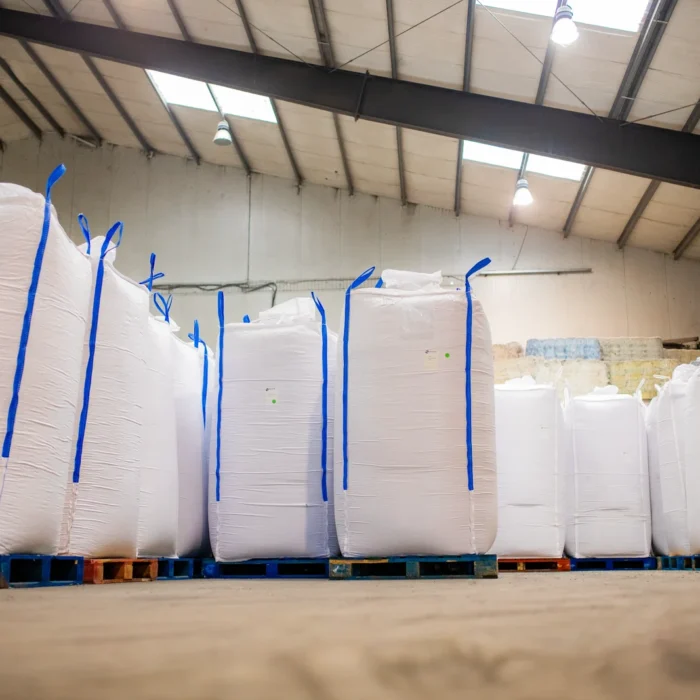
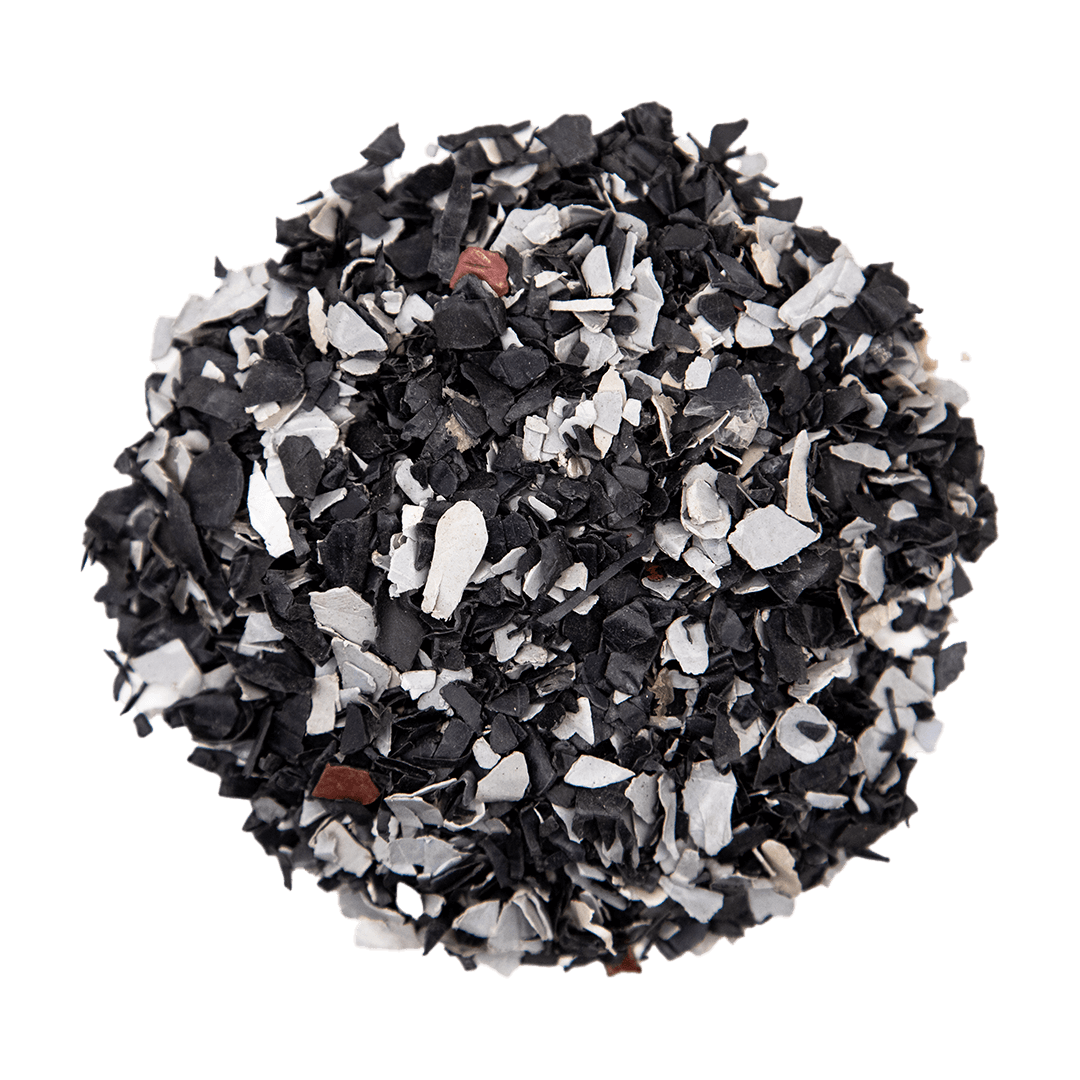
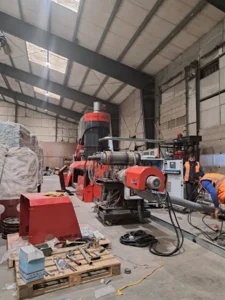
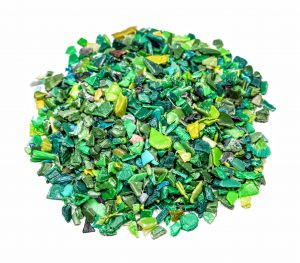
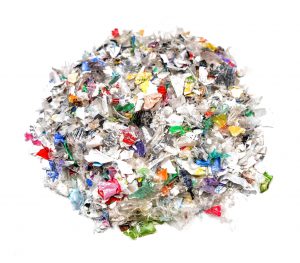
After sorting and preparation, the suitable PS material is mechanically processed into a reusable secondary raw material. The exact processing depends on the characteristics of the material supplied.
For BVDER, good recycling starts with a suitable and clearly defined waste stream. The cleaner and more consistent the material, the better the basis for producing a reliable recycled material.
How it works
1
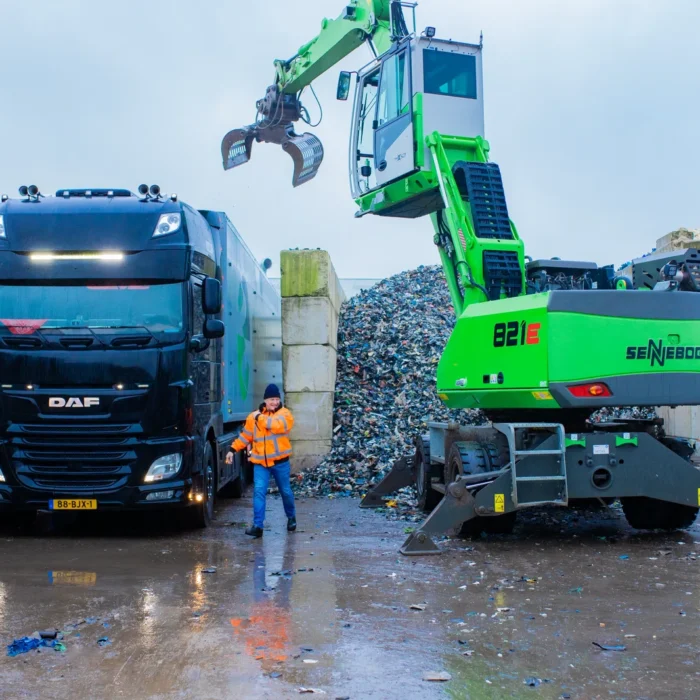
Used plastics arrive
2
We break the material into smaller pieces
3
We clean it thoroughly
4
We separate the different material streams
5
We process it into fine regrind
6
The material is dried
7
Ready for a new life
What is polystyrene used for?
Polystyrene is used in a wide range of products and applications. Its combination of low weight, rigidity and ease of processing makes it suitable for various applications in manufacturing and industry.
Depending on the type of polystyrene, it can be found in products such as packaging, containers, trays and protective materials. Foamed polystyrene is also used where lightweight and protective properties are important.
As a result, PS can occur in different industrial and business waste streams. However, the fact that a product is made from polystyrene does not automatically mean that it is suitable for recycling at BVDER. The type and quality of the material remain important.
What PS waste can BVDER process?
BVDER processes selected rigid PS waste streams from businesses and industry. Whether a particular PS waste stream is suitable for recycling depends on factors such as the type of polystyrene, composition, quality and degree of contamination.
The quantity and way in which the material is supplied can also be relevant when assessing a waste stream.
It is important to distinguish rigid PS from other forms of polystyrene. Expanded polystyrene (EPS) has a different structure and should therefore be assessed separately rather than being treated as the same material as rigid PS.
Do you have a PS waste stream from manufacturing, industry or another business application? We can assess the material and determine whether it fits our recycling process.
PS waste for recycling
If your company has PS waste available for recycling, we first need some information about the material. This allows us to determine whether the waste stream is suitable for processing.
Useful information includes:
the type of PS material
the quantity available
where the material comes from
the composition of the waste stream
the degree of contamination
how the material is collected and supplied
Based on this information, BVDER can assess the PS waste and discuss the possibilities for recycling and collection.
Below, you’ll find answers to some of our most frequently asked questions. Can’t find what you’re looking for? Feel free to get in touch! we’re always happy to help.
Is polystyrene recyclable?
Yes, polystyrene can be recyclable. The recycling possibilities depend on factors such as the type of material, its composition, contamination and the way the material is collected and supplied.
Suitable PS waste can be mechanically processed and turned into a reusable secondary raw material. Not every polystyrene product, however, is automatically suitable for recycling.
What is the difference between PS and EPS?
PS stands for polystyrene, while EPS stands for Expanded Polystyrene. EPS is an expanded form of polystyrene with a foamed structure and different properties from rigid PS.
Because of these differences, PS and EPS should be assessed separately when looking at recycling options.
How is PS different from other plastic types?
PS is one of several commonly used plastic types and has different properties and applications from plastics such as HDPE, LDPE, PP and PET.
For recycling, identifying the correct plastic type is important. Different materials require different processing and should generally be kept separate to maintain material quality.
What happens to recycled polystyrene?
Suitable PS waste is sorted, prepared and mechanically processed into a reusable secondary raw material.
The resulting recycled polystyrene material can be used as a raw material for new plastic applications. The possibilities depend on the quality and characteristics of the recycled material.
We use functional and analytical cookies. More about this in our privacy statement.