


Recycle polypropylene plastic with BVDER
PP, also known as polypropylene, is a widely used type of plastic found in many products and applications across different industries. After use or during manufacturing, PP waste streams can arise that may be suitable for recycling and reuse as a raw material.
At BVDER, we process suitable PP waste streams and turn them into a reusable secondary raw material. By collecting polypropylene separately and processing it correctly, the material can be recycled and reused for the production of new plastic products.
What is PP (polypropylene)?
PP stands for polypropylene and is a thermoplastic polymer. It is a lightweight and versatile type of plastic with good chemical resistance, rigidity and durability. These properties make PP suitable for a wide range of plastic products and also make suitable PP waste streams interesting for recycling.
Polypropylene is commonly identified as PP. Within the Resin Identification Code (RIC) system, polypropylene is assigned the number 5. This number can often be found in or next to the familiar triangular recycling symbol on plastic products and helps identify the type of plastic resin used.
The number 5 identifies polypropylene, but it does not automatically mean that every product made from PP can be processed in every recycling stream. The composition, quality and condition of the material remain important when assessing its recycling possibilities.
How does PP recycling work at BVDER?
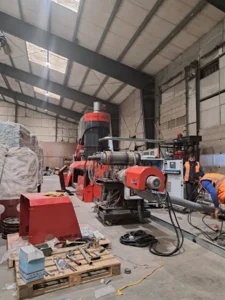
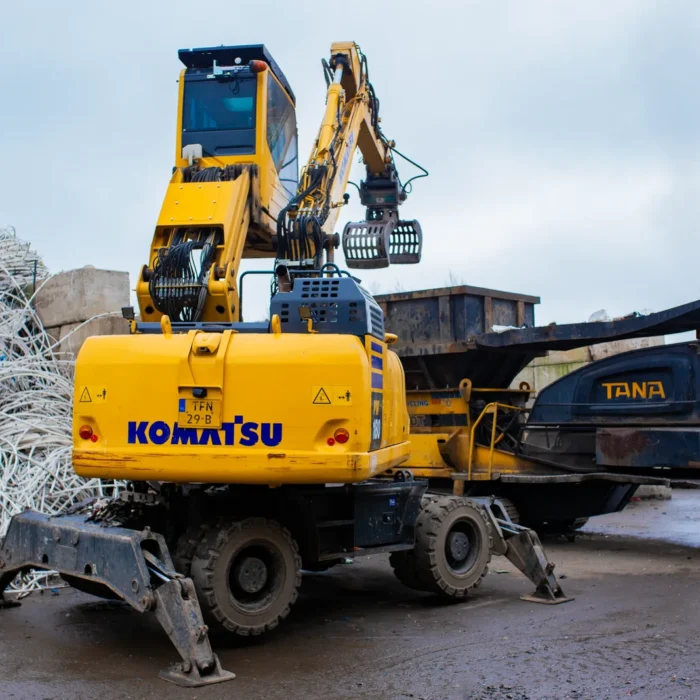
A good PP recycling process starts with assessing the material that is offered. We look at the type of plastic, its composition, quality and the presence of contamination or other materials.
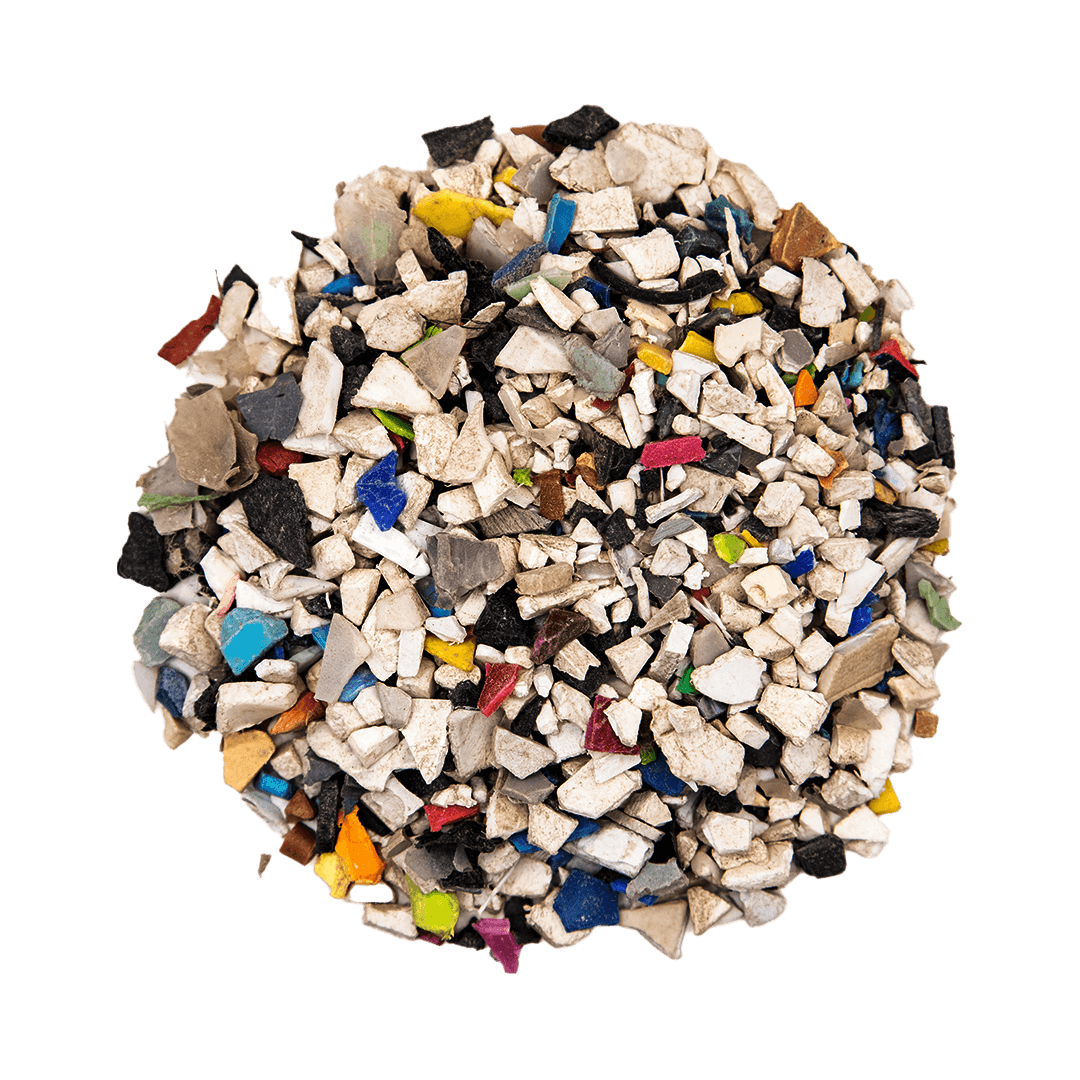
Suitable polypropylene is then sorted and prepared for further processing. Keeping PP separate from other plastic types, such as PVC, LDPE, HDPE and PS, is important because each material has different properties and requires an appropriate recycling process.
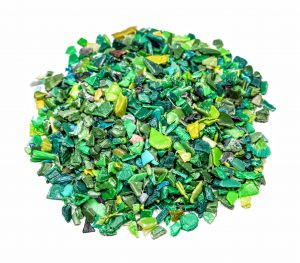
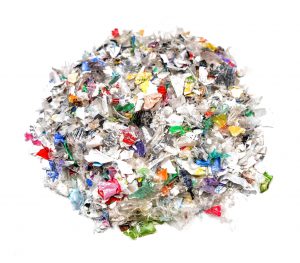
A clean and consistent PP waste stream makes it easier to sort and process the material and helps maintain the quality of the recycled polypropylene. After processing, suitable PP becomes a reusable secondary raw material that can be reintroduced into the plastics chain. In this way, recycling polypropylene gives used plastic a new purpose and reduces the need for virgin raw materials.
How it works

What is polypropylene used for?
Polypropylene is used in a wide range of plastic products across manufacturing and industry. Its combination of strength, durability and relatively low weight makes it suitable for many different applications.
PP can be found in products such as buckets and lids, flower pots, plastic bins, fruit crates, garden chairs and toys. These products can become PP waste when they are discarded, damaged, replaced or no longer suitable for use.
Polypropylene is also widely used in packaging and other applications. PP Big Bags, also known as FIBCs, are one example of a polypropylene product used in industry. Big Bags are a specific PP waste stream and are therefore treated separately from the other PP products described on this page.
When suitable PP products reach the end of their useful life, the material can be collected separately and offered for recycling instead of being lost as waste.
What PP waste can BVDER process?
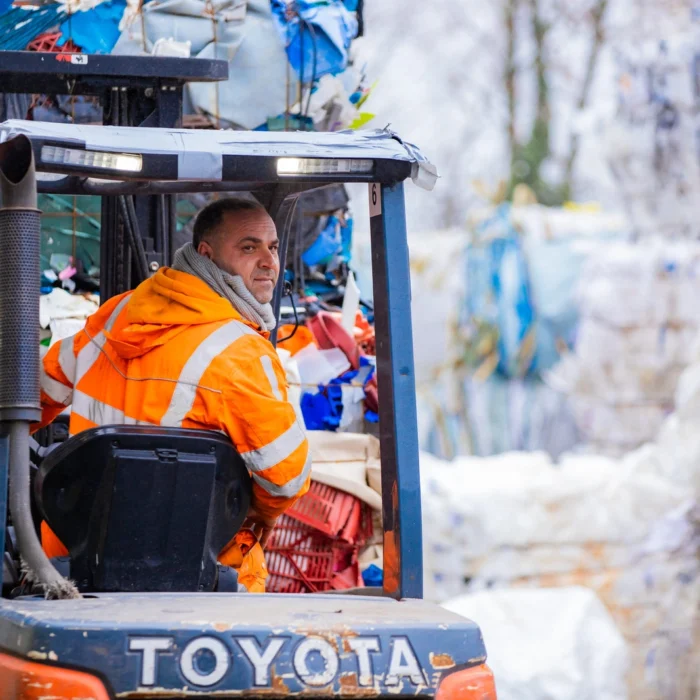
BVDER processes selected hard PP waste streams from businesses and industry. These can include:
- Buckets and lids
- Flower pots
- Plastic bins
- Fruit crates
- Garden chairs
The suitability of a PP waste stream depends on factors such as the composition, quality, quantity and degree of contamination. The origin of the material and the way it is supplied can also be relevant when assessing the recycling possibilities.
The material should preferably be collected separately from other plastic types and unwanted materials. Mixing different plastics or heavily contaminated material can affect sorting, processing and the quality of the recycled material.
Because every PP waste stream is different, we prefer to assess the material beforehand. This allows us to determine whether the PP waste is suitable for recycling and how it can best be collected, transported and processed.
PP waste for recycling
Do you have PP waste or polypropylene waste as a business that you would like to have recycled? BVDER is happy to assess your material and discuss the possibilities for recycling.
To properly assess a PP waste stream, we preferably receive information about:
- the type of PP material
- the origin of the polypropylene
- the estimated quantity
- the composition of the material stream
- the type of products the material comes from
- any contamination or other materials
- the current method of collection and storage
- and, if possible, photographs of the material
Based on this information, we can determine whether the PP is suitable for recycling and discuss how collection, transport and further processing can be organised.
Frequently asked questions about PP recycling
Below, you’ll find answers to some of our most frequently asked questions. Can’t find what you’re looking for? Feel free to get in touch! we’re always happy to help.
What does PP stand for?
PP stands for polypropylene. It is a widely used thermoplastic polymer that is found in many different plastic products and applications.
PP plastic is known for its combination of strength, durability and relatively low weight, making it suitable for a wide range of products.
Is polypropylene recyclable?
Yes, polypropylene is recyclable, provided that the material stream is suitable for recycling. The recycling possibilities depend on factors such as the composition, quality, contamination and the way the material is supplied.
A clean and properly separated PP waste stream makes it easier to sort and process the material and supports efficient PP recycling.
What recycling symbol is polypropylene?
Within the Resin Identification Code system, polypropylene is identified by number 5. This number is commonly displayed in or next to the triangular recycling symbol found on plastic products.
The number 5 helps identify polypropylene as the type of plastic resin used. It does not, however, automatically mean that every product marked with number 5 can be recycled through every recycling stream. The actual composition, quality and condition of the material remain important.
How is polypropylene identified for recycling?
Polypropylene can generally be identified by the abbreviation PP or by the number 5 within the Resin Identification Code system.
This plastic resin identification helps distinguish polypropylene from other plastic types. Correctly identifying the material is an important first step when sorting plastic waste for recycling.
What happens to recycled polypropylene?
After sorting and processing, suitable PP can be turned into a recycled polypropylene secondary raw material. Depending on the material and the processing method, the recycled material can be prepared for reuse in the production of new plastic products.
In this way, polypropylene can be reprocessed and returned to the plastics chain instead of being lost as waste.