


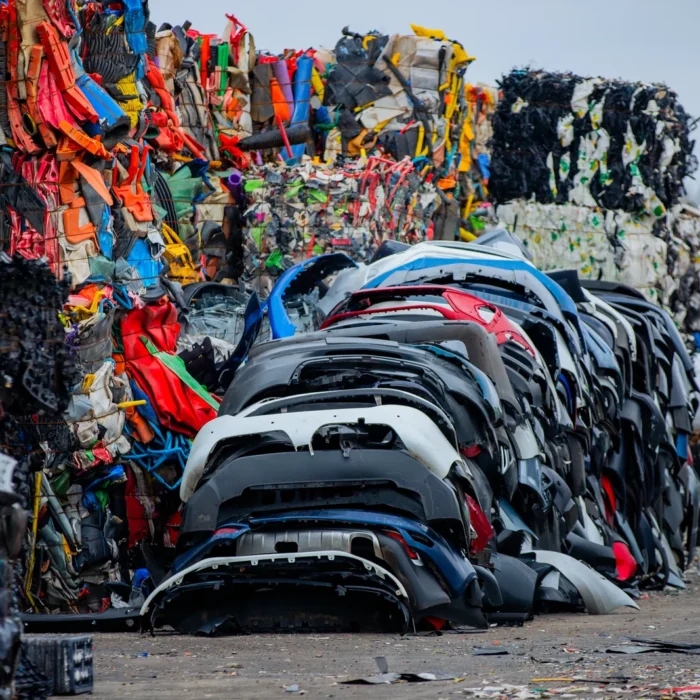
Recycle polyethylene plastic with BVDER
Polyethylene, commonly abbreviated as PE, is one of the most widely used types of plastic in commercial and industrial applications. Different types of polyethylene are used for different products and purposes, resulting in a wide range of PE waste streams.
At BVDER, suitable PE waste streams can be processed and converted into a reusable secondary raw material. The type of polyethylene, composition, quality and level of contamination all play an important role in determining how a material stream can be recycled.
What is PE (polyethylene)?
PE stands for polyethylene. Polyethylene is a thermoplastic polymer that is widely used for its durability, flexibility and resistance to moisture and many chemicals.
Polyethylene is a group of plastics rather than a single material. Two common types are HDPE (high-density polyethylene) and LDPE (low-density polyethylene). Although both belong to the polyethylene family, they have different densities and material properties, which means they are used for different types of plastic products.
For recycling, it is therefore important to identify which type of polyethylene is present. The specific material properties and composition determine how the plastic waste can be sorted and further processed.
How does PE recycling work at BVDER?
PE recycling starts with assessing the material that is offered. BVDER looks at the type of plastic, its composition, quality, quantity and possible contamination.
The material is then sorted so that different types of plastic can be identified and, where necessary, kept separate. This is important because different types of plastic have different material properties. HDPE and LDPE, for example, are both polyethylene, but they are not identical materials.
Other plastics may also occur in a waste stream. Materials such as PP, PVC and PS need to be distinguished from polyethylene to ensure that the material is processed appropriately.
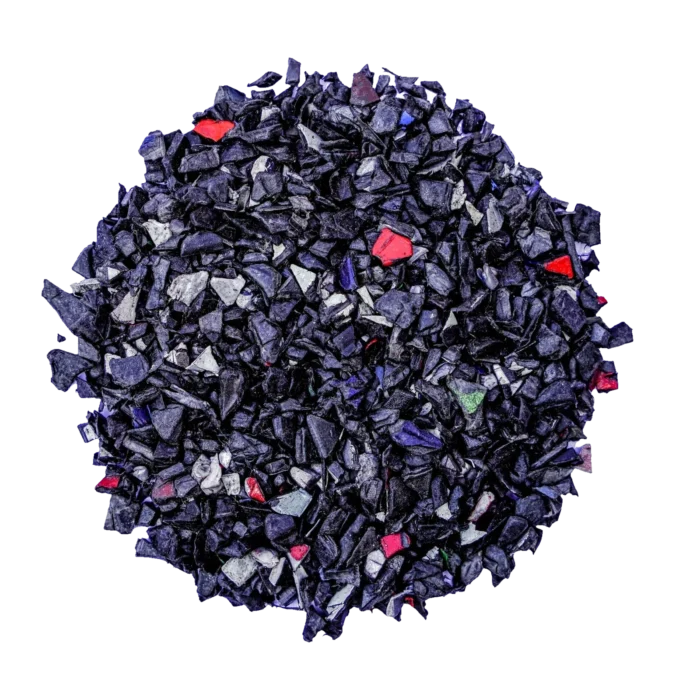
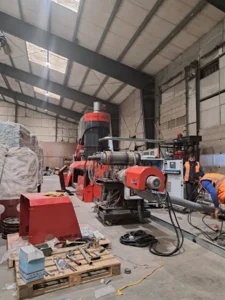
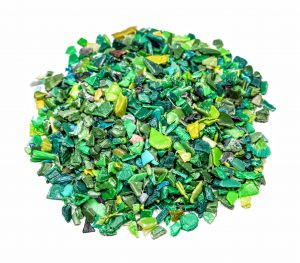
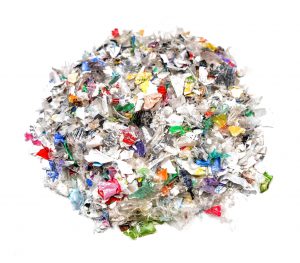
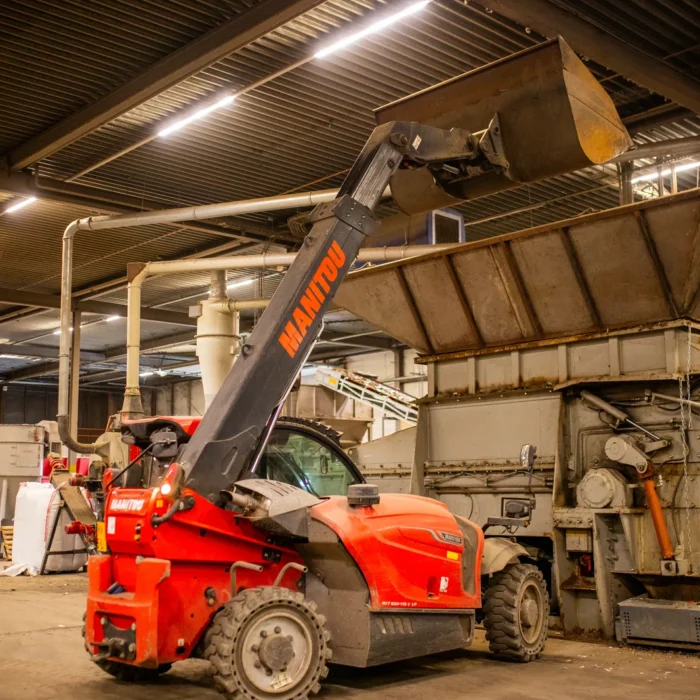
After sorting, suitable PE material is mechanically processed into a reusable secondary raw material. The exact processing depends on the material stream and its characteristics.
A clean and consistent material stream helps maintain the quality of the recycled plastic and makes reliable further processing possible.
How it works

What is polyethylene used for?
Polyethylene is used in a wide range of plastic products and industrial applications. The type of PE determines which properties are required and therefore which products it is suitable for. PE, for example, is commonly used for rigid and durable plastic products. At BVDER, suitable PE/HDPE waste streams include products such as:
- Plastic pallets
- Sandboxes
- Cement tubs
- Slides
- Wheelie bins
- Beverage crates
- Toys
These products can generate PE waste when they are discarded, replaced or no longer suitable for use.
Other types of polyethylene, such as LDPE, are used for different applications, including plastic film and other flexible plastic products. The fact that a product is made from PE does not automatically mean that it belongs to the material streams processed by BVDER. The type and composition of the material are assessed before processing.
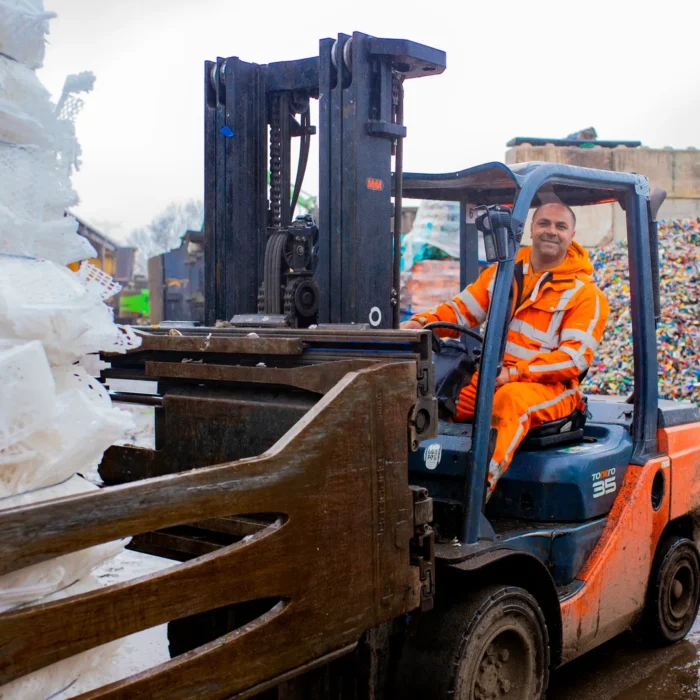
What PE waste can BVDER process?
BVDER processes selected PE and HDPE waste streams from commercial and industrial applications. These include suitable material from products such as:
- Plastic pallets
- Sandboxes
- Cement tubs
- Slides
- Wheelie bins
- Beverage crates
- Toys
Because PE is a general term for different types of polyethylene, it is important to know which type of material is present. HDPE and LDPE have different properties and applications and therefore need to be assessed accordingly.
Mixed plastics or significant contamination can affect the further processing and quality of the recycled material. For this reason, BVDER assesses each material stream individually.
PE waste for recycling
Do you have PE waste from your company that you would like to have assessed for recycling? BVDER can help determine whether and how your polyethylene waste stream can be processed.
For an initial assessment, it is useful to provide information such as:
- The type of polyethylene
- The quantity available
- The origin of the material
- The composition of the waste stream
- Any contamination or other materials present
- How the material is currently collected and stored
- The way in which the material can be delivered
This information helps BVDER assess the recycling possibilities and determine how the material can best be handled.
The aim is to recover suitable PE waste and process it into a reusable secondary raw material rather than losing the material as a waste stream.
Frequently asked questions about PE recycling
Below, you’ll find answers to some of our most frequently asked questions. Can’t find what you’re looking for? Feel free to get in touch! we’re always happy to help.
What does PE stand for in plastic?
PE stands for polyethylene. Polyethylene is a widely used type of plastic and thermoplastic polymer. It is used for many different plastic products because of its durability and versatile material properties.
Is polyethylene recyclable?
Yes, polyethylene can be recycled. The recycling possibilities depend on the type of PE, the composition and quality of the material, the level of contamination and the way the material is sorted and delivered.
HDPE and LDPE are both types of polyethylene, but they have different material properties and applications. Identifying the correct type of PE is therefore important when assessing plastic waste for recycling.
What is the difference between PE, HDPE and LDPE?
PE is the general abbreviation for polyethylene. HDPE and LDPE are two different types of polyethylene.
HDPE stands for high-density polyethylene. It is generally more rigid and is commonly used for durable plastic products.
LDPE stands for low-density polyethylene. It is generally more flexible and is often used for applications such as plastic film and flexible plastic products.
Both are polyethylene, but their different material properties mean that they can require different handling and processing during recycling.
Does PE need to be separated from other plastics for recycling?
Different types of plastic have different material properties, so identifying and separating them is important for recycling.
PE should therefore be distinguished from other plastics such as PP, PVC and PS. Even within the polyethylene group, different types such as HDPE and LDPE may need to be assessed separately.
Keeping the material as clean and consistent as possible helps with sorting, further processing and the quality of the recycled plastic.
What happens to recycled polyethylene?
Suitable polyethylene waste is sorted and mechanically processed so that it can be reused as a secondary raw material.
The resulting recycled plastic can be used again as a raw material for the production of new plastic products. In this way, suitable PE waste can be given a new application and remain part of the material cycle.
The form of the recycled material depends on the specific PE waste stream and the applicable processing method at BVDER.